How to Maintain Your Chainsaw: The Complete 2026 Guide
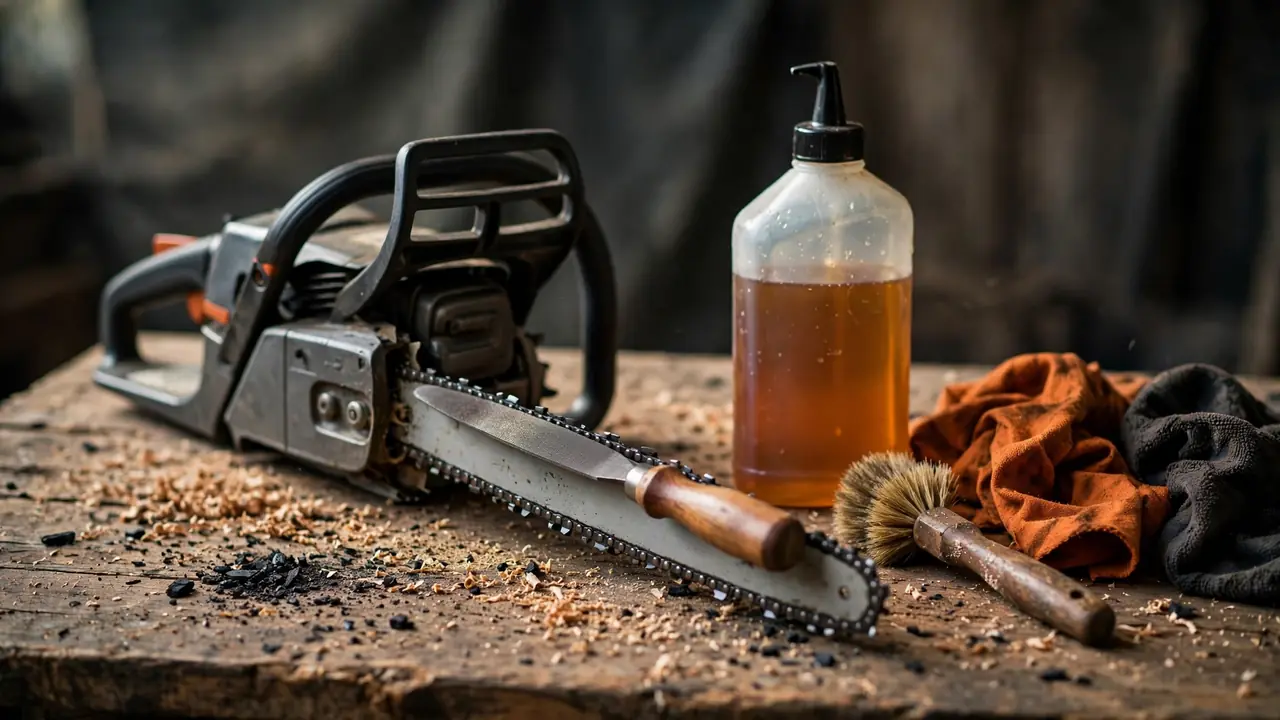
A chainsaw is one of the few tools where maintenance isn’t just about longevity — it’s about safety. A dull chain doesn’t just cut slowly; it forces you to push harder, increases kickback risk, and wears out the bar and engine. Learning how to maintain a chainsaw properly takes less time than most people think: a few minutes after each use, a deeper session every few tanks of fuel, and a proper put-away at the end of the season. This guide covers the whole routine — chain, bar, engine, fuel, and storage — for gas saws from Stihl, Husqvarna, Echo, and the rest. (Battery saws skip the fuel and engine sections, but the chain and bar care is identical.)
Why Chainsaw Maintenance Actually Matters
It’s tempting to treat a chainsaw like a shovel — pull it out, use it, put it away. But a chainsaw is a precision cutting instrument running at thousands of RPM, and neglect shows up fast. A dull chain cuts crooked, throws dust instead of chips, and makes the engine work twice as hard. A loose chain can derail off the bar mid-cut, which is as dangerous as it sounds. A clogged air filter starves the engine and shortens its life. And old fuel gums up the carburetor, which is the single most common reason saws “won’t start” in spring.
The good news: none of this requires a mechanic. Every task in this guide is something a homeowner can do with basic tools, and most take under ten minutes once you’ve done them once.
The Chain: Sharpening, Tension, and Care
The chain is where maintenance pays off most visibly. A sharp, properly tensioned chain pulls itself through wood with light pressure. A dull or loose one fights you the whole way.
How to Tell Your Chain Is Dull
You don’t need to guess. The signs are obvious once you know them:
- The saw throws fine dust instead of coarse chips. Sharp chains peel off distinct wood chips; dull ones grind out powder.
- You have to push to make it cut. A sharp chain feeds itself — you just guide it. If you’re leaning on the saw, the chain is dull.
- The cut drifts or curves. Dull cutters on one side pull the bar off line.
- The engine strains and the chain smokes. Friction from dull cutters overheats everything.
If you’re seeing any of these, stop and sharpen. Running a dull chain is slower, harder on the saw, and genuinely more dangerous.
Sharpening the Chain
Hand-filing is the skill every chainsaw owner should learn. You need a round file matched to your chain’s pitch (the most common sizes are 5/32″, 3/16″, and 7/32″ — check your chain’s markings or your saw’s manual), a file guide or holder, and a flat file for the depth gauges (rakers). The file size must match the chain; the wrong size rounds off the cutters instead of sharpening them.
The technique: secure the bar, and file each cutter with smooth, even strokes, pushing from the inside of the tooth outward. Count your strokes — three to five per cutter is typical — and use the same number on every tooth so they stay even. File every other tooth first, then turn the saw around and do the rest, keeping the file at the angle shown on your guide (usually 25 to 35 degrees).
After every few sharpenings, check the depth gauges — the little nubs in front of each cutter that control how deep each tooth bites. As cutters get filed down, the depth gauges need filing too, or the chain stops cutting aggressively. A depth-gauge tool makes this foolproof: lay it over the chain and file any gauge that pokes through.
How often? Touch up the chain every time you refuel, or sooner if you hit dirt, nails, or cut a lot of hardwood. A quick two-minute touch-up every tank beats a major filing session every month. And when the cutters get too short from repeated filing — roughly when you’ve filed away about half the tooth — it’s time for a new chain. Chains are consumables; even perfect maintenance doesn’t make them last forever.
Setting Chain Tension
Chain tension is a before-every-use check, and it’s critical. A loose chain can jump the bar; an overtightened one wears the bar and strains the engine. With the saw off and cool, loosen the bar nuts slightly, then turn the tensioning screw until the chain sits snug against the underside of the bar but can still be pulled around by hand (wear gloves). The classic test: pull the chain away from the bar at the middle — you should see the drive links but they shouldn’t come fully out of the groove.
Check tension again after the first few cuts with a new chain, since new chains stretch as they break in. And remember that chains expand when hot — always do the final tension check on a cool saw.
Bar Maintenance: The Part Everyone Forgets
The guide bar takes a beating and gets almost no attention. Two habits will double its life. First, flip the bar regularly — every time you sharpen the chain is a good rhythm, since bars wear unevenly. Second, clean the bar groove every few tanks: sawdust and bar oil pack into the groove and the oil holes, starving the chain of lubrication. Scrape it out and make sure the oil delivery hole is clear.
Check the bar rails for burrs — the mushroomed metal on the edges — and take them off with a light pass of a flat file. If the groove is splayed wide, the rails are chipped, or the bar is bent or heat-discolored, replace it: a worn bar ruins new chains fast.
Engine Care: Air Filter, Spark Plug, and Fuel
Fuel: The Number-One Killer of Small Engines
More chainsaws die from bad fuel than from anything else. Most gas saws run on a 50:1 mix of gasoline and 2-stroke oil — that’s the standard for Stihl, Husqvarna, and Echo. Mix it precisely (a dedicated measuring bottle helps), use fresh fuel, and never use straight gasoline in a 2-stroke saw — it will seize the engine in minutes.
The ethanol problem is real: standard pump gas with 10% ethanol goes stale in as little as 30 days and attracts moisture, which corrodes carburetors during storage. Your options are ethanol-free fuel (available at many marinas and some stations), pre-mixed canned fuel like Stihl MotoMix or Husqvarna’s premix, or fuel stabilizer in every batch. For saws that sit between uses, pre-mixed fuel is worth the premium — it’s ethanol-free, precisely mixed, and stays stable for years unopened.
Air Filter
A dirty air filter is the silent performance killer. Check it every few tanks: tap out the dust, wash foam filters in warm soapy water (dry completely, lightly re-oil if your manual calls for it), and replace paper filters rather than washing them. If the saw bogs down and the filter looks gray and packed, that’s very often the whole problem.
Spark Plug
Pull the spark plug once a season. It should be tan or light brown; black and oily means the fuel mix is too rich or the oil ratio is off, and white or blistered means it’s running too lean. Clean it with a wire brush, check the gap against your manual’s spec, and replace it if the electrode is worn — plugs are cheap, and a fresh one solves a surprising number of “hard to start” complaints.
Chain Oil: Don’t Skip It
Bar and chain oil is not optional — it’s what keeps the chain from overheating and the bar from wearing out. Fill the oil reservoir every time you fuel up; most saws are designed so the oil and fuel run out at roughly the same rate, which is your built-in reminder. Use proper bar and chain oil, not motor oil — bar oil has tackifiers that make it cling to the chain at speed instead of flinging off.
In winter, switch to a winter-weight bar oil if you’re cutting in freezing temperatures; summer-weight oil gets too thick to flow properly in the cold. If the chain seems dry despite a full reservoir, check that the oil holes and bar groove are clear — a clogged oiler mimics every symptom of a dull chain.
Cleaning After Each Use
Five minutes of cleaning after each session prevents most long-term problems. Blow or brush the sawdust off the saw, especially around the air filter cover, the cooling fins, and the clutch area — packed sawdust traps heat and moisture. Wipe down the bar and chain with an oily rag to prevent surface rust, and check the chain brake: it should engage and stop the chain instantly. A chain brake that doesn’t work is a repair-before-next-use item.
Seasonal Storage: Putting the Saw Away Right
How you store the saw matters more than almost any other maintenance task, because bad storage undoes everything else. For storage longer than a month:
- Deal with the fuel. Either drain the tank and run the engine until it dies (burning the fuel out of the carburetor), or fill the tank with stabilized or pre-mixed ethanol-free fuel. Never store a saw with old pump gas in it — that’s how carburetors gum up.
- Clean it thoroughly. Remove the bar and chain, clean the groove and oil holes, wipe everything down, and lightly oil the chain before storing to prevent rust.
- Loosen the chain slightly to take tension off the bar during storage.
- Store it dry and covered — in a case or under a cover, out of direct weather. A shed is fine; the back of an open truck bed is not.
When you bring the saw back out, reverse the process: fresh fuel mix, re-tension the chain, check the air filter and spark plug, and make a few test cuts before any serious work.
Safety Gear and Habits
Maintenance and safety overlap more than people realize. A well-maintained saw is a safer saw, but it still demands proper gear: chainsaw chaps or cut-resistant pants, a helmet with face shield and hearing protection, gloves, and steel-toe boots. Chaps are the single most important item — they’re designed to jam the chain on contact.
Beyond gear, the habits matter: keep a firm two-handed grip with thumbs wrapped, never cut above shoulder height, watch for kickback-zone contact (the upper tip of the bar), and plan your escape path before felling anything. Maintain the chain brake and test it regularly. If you’re new to chainsaws, our chainsaw safety gear guide covers protective equipment in detail — and Stihl’s maintenance resources include excellent video walkthroughs of the sharpening and tensioning techniques described above. If you’re choosing your first saw, see our best chainsaws for 2026 roundup.
When to Take It to a Shop
DIY maintenance covers 90% of chainsaw ownership, but know your limits. Take the saw to a servicing dealer when it won’t start after fresh fuel, a clean filter, and a good plug (likely a carburetor issue), when the starter pulls too easily (low compression means internal wear), or when the clutch, oil pump, or chain brake is damaged — these are safety-critical systems.
A professional tune-up every couple of years is also reasonable for a saw that sees heavy use — think of it like servicing a car. The cost is modest compared to replacing a saw that died from neglect.
Maintenance keeps a saw alive, but choosing the right saw matters first: if you are cross-shopping fuel types, our top gas chainsaws roundup covers the petrol favourites Australians run.
Frequently Asked Questions
How often should I sharpen my chainsaw chain?
Touch up the chain with a file every time you refuel, or sooner if you hit dirt or cut hardwood. A two-minute touch-up every tank keeps the chain cutting well; waiting until it’s fully dull means a much longer filing session and more wear on the saw.
What is the correct chainsaw fuel mix?
Most modern 2-stroke chainsaws from Stihl, Husqvarna, and Echo use a 50:1 ratio of gasoline to 2-stroke oil. Always check your saw’s manual — some older or smaller saws use 40:1. Never run straight gasoline in a 2-stroke engine; it will seize within minutes.
How tight should my chainsaw chain be?
Snug against the underside of the bar but still able to be pulled around by hand. Pull the chain away from the bar at the midpoint — you should see the drive links without them coming fully out of the groove. Check tension on a cool saw, and re-check after the first cuts with a new chain.
Can I use motor oil as bar and chain oil?
It’s not recommended. Bar and chain oil contains tackifiers that make it cling to the chain at high speed; regular motor oil flings off, leaving the bar and chain under-lubricated. In a pinch it’ll work, but proper bar oil is cheap and your bar will last far longer with it.
How should I store my chainsaw for winter?
Drain the fuel or fill the tank with stabilized/ethanol-free fuel, clean the saw thoroughly, remove and lightly oil the chain, loosen chain tension, and store it dry and covered. Never store it with old pump gasoline in the tank — stale fuel gums up the carburetor.