Ultimate Guide to Hiking for Beginners in 2026
Ready to start hiking? This friendly guide covers beginner tips, essential gear, safety advice, 2025 trends like hiking clubs, and how to find trails near you. Get outside and enjoy nature safely!
Hiking is one of the simplest ways to enjoy the outdoors. You walk on trails, breathe fresh air, and see beautiful views. Many people start because they want better fitness or less stress. In recent years, more folks have discovered it, and the numbers keep climbing.
According to the Outdoor Industry Association’s 2025 report, outdoor participation hit a record 181.1 million Americans in 2024, with hiking as a top gateway activity. Hiking added millions of new participants, showing it’s easy to join and keeps people coming back.
Key Takeaways
- Hiking improves your body and mind while letting you explore nature close to home.
- Beginners should pick easy trails, pack smart, and go slow to stay safe and have fun.
- In 2025, hiking clubs grew a lot, making it easier to meet people and hike together.
- Apps like AllTrails help find trails and download maps for offline use.
- Always follow Leave No Trace rules to keep trails nice for everyone.
What Is Hiking and Why Start Now?
Hiking means walking on paths in nature, from short day walks to longer trips. Day hikes are perfect for beginners—they last a few hours and bring you back home the same day. Backpacking involves carrying gear for overnight stays, but most people begin with day hikes.
Why now? Participation keeps growing. The 2025 Outdoor Participation Trends Report shows hiking had over 63 million participants, making it the most popular outdoor-specific activity. Gateway activities like hiking gained over 2 million new people each, and more diverse groups joined, including seniors up 7.4% and youth up 5.6%.
The benefits show up fast. Walking uphill strengthens legs and heart. Fresh air and scenery lift your mood and cut stress. Many feel calmer after time in nature. Plus, it’s free or low-cost once you have basic shoes and water.
Hiking Trends to Know in 2026
This year brought fresh changes. Hiking clubs exploded—some reports say they grew sixfold. Groups make hiking social and safer, especially for newcomers who prefer company over going alone.
Diversity grew too. More Black and Hispanic participants joined, and families with kids showed high rates. Seniors and young people boosted numbers, creating multigenerational outings.
Gear leaned toward lighter options. Ultralight updates appeared in packs, tents, and clothing. Prices rose due to tariffs, so many looked for budget-friendly choices or second-hand items.
Apps stayed huge. AllTrails saw strong growth, helping people find nearby paths and share experiences. Mental health got more attention—hiking helps clear your head and build resilience.
How to Get Started: Beginner Hiking Tips
Start small. Pick a trail under 5 km with little elevation gain. Match it to your current fitness—flat paths first, then add hills.
Plan your day. Check the weather forecast and trail status. Tell someone your route and expected return time. Go with a friend if possible.
Build stamina gradually. Walk in your neighborhood or park a few times a week. Add a backpack with light weight to get used to carrying gear.
Here are quick steps for your first hike:
- Research a beginner-friendly trail.
- Pack water, snacks, and basics.
- Wear comfortable shoes and layers.
- Start early to avoid heat or crowds.
- Take breaks and enjoy the views.
Many beginners worry about getting tired. Pace yourself—walk slower than you think you should. Short stops help more than pushing through.
Essential Hiking Gear for Beginners
You don’t need fancy stuff to start. Focus on comfort and safety.
Must-haves include:
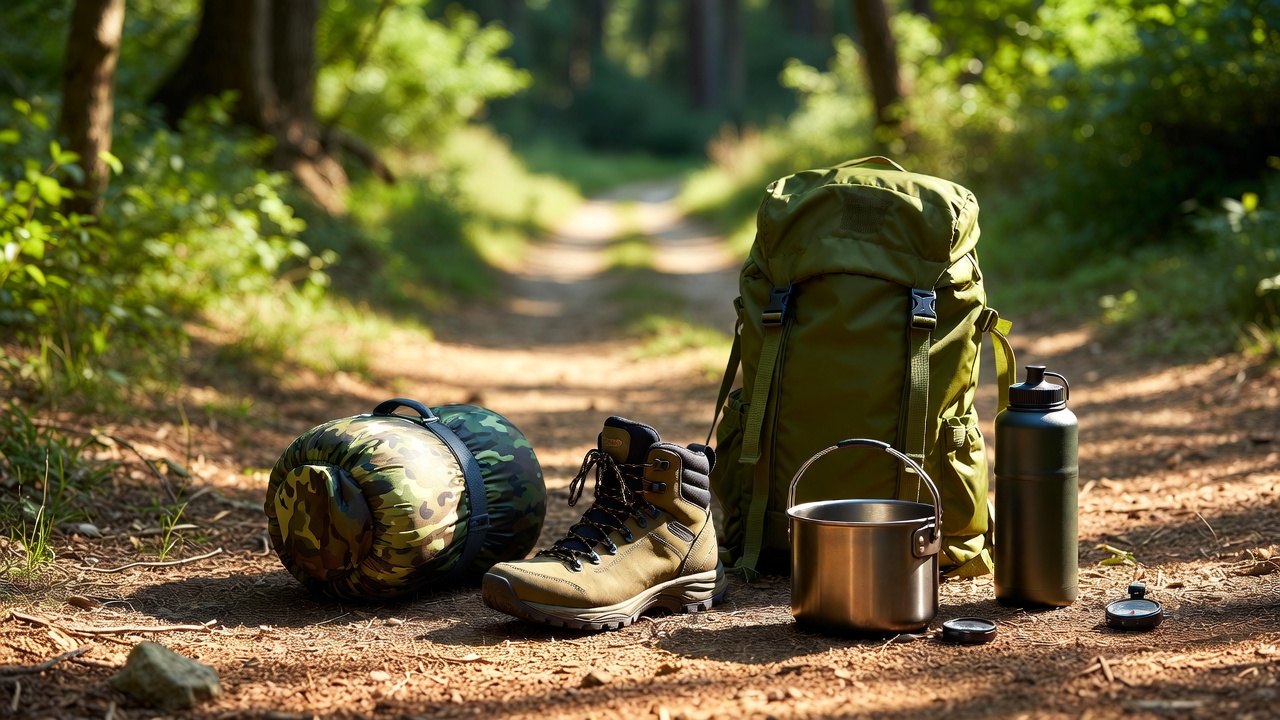
- Sturdy hiking shoes or boots with good grip.
- Moisture-wicking socks and clothes in layers.
- Small backpack for water and snacks.
- At least 2 liters of water.
- Energy snacks like nuts or fruit.
- Sunscreen, hat, and sunglasses.
The classic 10 Essentials cover emergencies: navigation (map or app), sun protection, insulation, illumination (headlamp), first-aid kit, fire starter, repair kit, nutrition, hydration, and emergency shelter.
For budget options, choose basic brands over top names. Ultralight gear saves weight but costs more—stick with reliable mid-range items first.
Apps make a big difference. AllTrails offers maps, reviews, and difficulty filters. Download routes offline so you don’t rely on signal.
Hiking Safety and Common Mistakes to Avoid
Safety comes first. Many issues happen from poor planning.
Always navigate properly. Phone signals drop in mountains—use offline maps. Tell a family member your plans.
Watch the weather. Mountains change fast—carry rain gear even on sunny days.
Pace yourself to prevent injury. Drink water often and eat snacks to keep energy up.
Common mistakes include:
- Choosing a trail too hard.
- Skipping weather checks.
- Not packing enough water.
- Ignoring blisters early.
- Leaving trash behind.
Follow Leave No Trace: pack out trash, stay on trails, and respect wildlife. Small actions protect nature.
Exploring Trails: Finding the Best Ones Near You
Finding trails is easy with tools. AllTrails lets you search by location and filter for easy paths.
Near Abbottabad in Pakistan’s Khyber Pakhtunkhwa, the Galyat range offers great options. Mushkpuri Top is popular—a moderate hike with stunning valley views. Miranjani Track near Nathia Gali gives mountain scenery and forests.
Dunga Gali Pine Line Track winds through pine trees with Himalayan vistas. These suit beginners and reward you with fresh air and peace.
Start local—many cities have parks or nearby hills. Build confidence before longer trips.
Real-World Examples and Success Stories
Picture someone new to hiking. They start with a short park walk, feel good, then try a 5 km trail. Soon they’re joining friends for weekly outings.
Hiking clubs help here. A beginner joins a group hike, learns tips from others, and feels supported. Many say the social side keeps them going.
Multigenerational groups show up more now—grandparents and kids hike together, sharing stories along the way.
Overcoming Common Challenges
Cost worries some people. Gear adds up, but start minimal—use what you have and add slowly. Look for sales or borrow from friends.
Physical barriers exist. For seniors or those with limits, choose flat trails and short distances. Listen to your body.
Motivation dips sometimes. Set small goals, like one hike per month, and track progress.
Crowds on popular paths frustrate others. Go early or pick lesser-known routes for quiet.
Frequently Asked Questions
What is the best way for beginners to start hiking?
Choose easy, short trails that match your fitness level. Use AllTrails to find well-marked paths with good reviews. Pack water, snacks, and basics, then go with a friend for extra safety and fun. Start slow, take breaks, and build up gradually to avoid feeling overwhelmed.
What gear do beginners need for hiking?
Focus on sturdy shoes, layered clothes, a small backpack, plenty of water, snacks, sunscreen, and a basic first-aid kit. Navigation like an app or map is key. You don’t need expensive items—comfort matters most at first. Add more as you gain experience. (312 characters)
Is hiking good for mental health? Yes, time in nature reduces stress and improves mood through exercise and fresh air. Many feel more focused and relaxed after hikes. Recent trends show people turning to it for mental well-being alongside physical benefits.
How do I find hiking trails near me?
Use AllTrails app to search by your location and filter by easy difficulty. Check local parks or forest sites for options. Download maps offline for areas without signal. Reviews from other hikers help pick the right one.
What are common beginner hiking mistakes?
Picking trails too tough, not checking weather, skimping on water or food, poor navigation, and rushing the pace. These lead to injury or frustration. Plan ahead, start easy, and follow Leave No Trace to stay safe and enjoy it.
Are hiking clubs worth joining in 2025?
Absolutely—clubs grew a lot this year for safety and socializing. They offer group hikes, shared tips, and motivation. Great for beginners who want company without solo risks. Find local ones through apps or community groups.