Tool Skins Explained: Bare Tool vs Kit
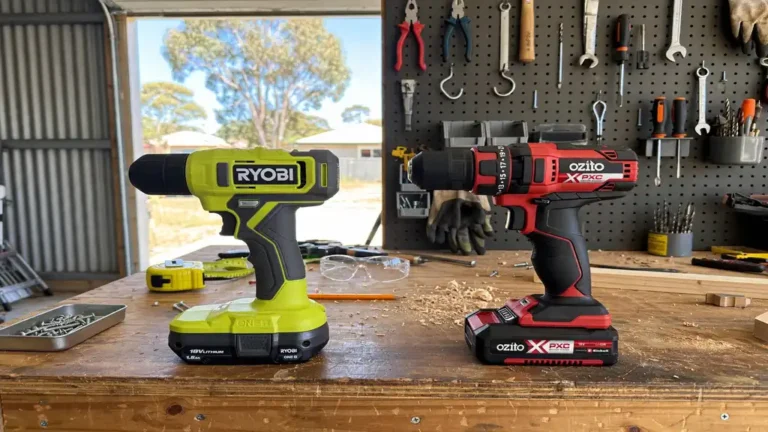
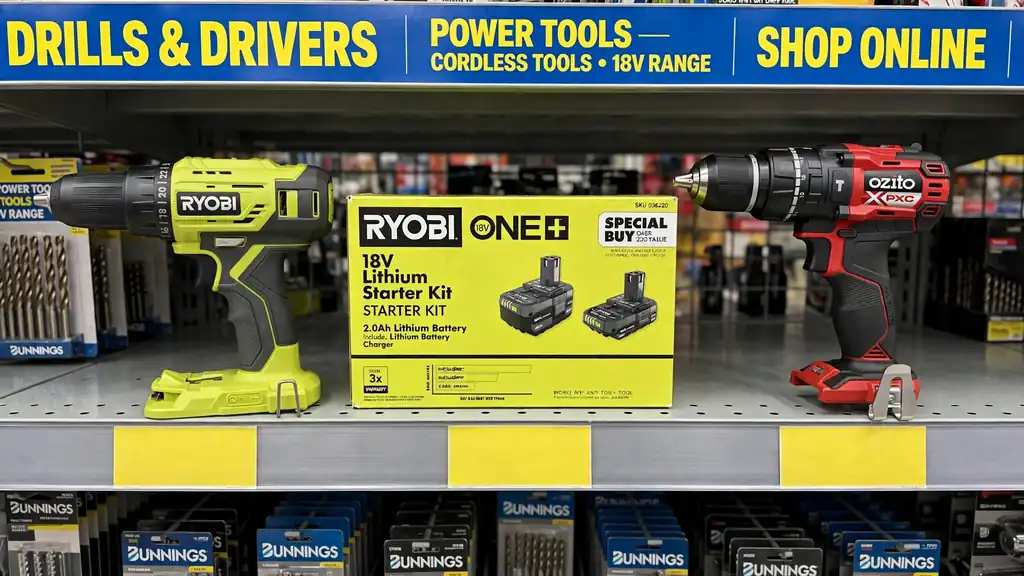
Walk into Bunnings and look at the drill wall: the same drill appears twice, once at $69 and once at $99.98 — the cheaper one is the skin, the dearer one the kit. The difference is a battery and a charger — and that difference is the whole subject of tool skins explained, because the skin is almost never the cheaper way to own a tool. This guide explains what a skin is, works the maths on six real Bunnings prices, and shows when a skin saves money and when it quietly costs you more — prices checked 12 November 2026 at Bunnings Australia.
Key Takeaways
- A skin is a bare tool: no battery, no charger, no case. A kit is the same tool with a battery and charger in the box.
- A Ryobi drill skin at $69 plus a 4.0Ah starter kit at $99 costs $168, against $99.98 for the starter kit — the kit wins by about $68.
- A Ryobi HP drill and impact driver as skins cost $308. As a 2Ah kit they cost $199 — the kit wins by about $158.
- Skins win when you already own batteries on that platform and only need the tool itself.
- Ozito is the exception: a PXC drill skin at $49.98 plus a 2.5Ah battery and charger pack at $24.98 costs $74.96, against a $79 kit.
- Premium skins are the dearest trap: a Makita drill skin at $253 still needs a $219 battery before it drills a hole.
What Is a Tool Skin?
A tool skin — also called a bare tool, a tool-only unit, or a body-only tool — is a cordless tool sold without a battery and without a charger: the box holds the tool, nothing else. It exists for one reason: people who already own batteries on that platform do not want to pay for another one. If you own three Ryobi ONE+ batteries, a $69 Ryobi drill skin is a $69 drill. If you own no batteries at all, it is a paperweight that needs another $99 before it turns.
The word skin comes from the trade: the tool is the skin, the battery is the power. Retailers use three labels for the same thing — Tool Only, Skin Only, Bare Unit — and they all mean battery not included. A kit is the opposite: tool, battery and charger in one box. A starter kit is one tool with one battery; a combo kit is two or more tools sharing batteries. Our battery platform guide compares the platforms these skins belong to, and our Ryobi ONE+ vs Ozito PXC guide compares the two Bunnings platforms head to head.
Tool Skins Explained: The Maths in Six Comparisons
Every comparison below uses the same rule: skin price plus the cheapest battery and charger that runs it, against the kit price for the same tool. All prices are Bunnings Australia, 12 November 2026.
| Tool | Skin only | Skin + battery & charger | Kit price | Cheaper way |
|---|---|---|---|---|
| Ryobi ONE+ Drill Driver RDD18 | $69 | $168 ($69 + $99 4.0Ah starter kit) | $99.98 (starter kit) | Kit, by about $68 |
| Ozito PXC 18V Drill Driver | $49.98 | $74.96 ($49.98 + $24.98 2.5Ah pack) | $79 (kit PXDDK-250C) | Skin, by about $4 |
| Ryobi ONE+ HP Drill + Impact Driver | $308 ($139 + $169) | About $357 ($308 + about $49 2.0Ah pack) | $199 (2Ah kit) | Kit, by about $158 |
| Ozito PXC 18V Hammer Drill | $59.98 | $84.96 ($59.98 + $24.98 2.5Ah pack) | $89.98 (kit PXHDK-250) | Skin, by about $5 |
| Ozito PXC Brushless Drill PXBDS-180 | $89.98 | $114.96 ($89.98 + $24.98 2.5Ah pack) | No kit at this spec | Skin only |
| Makita 18V Brushless DDF484Z | $253 | $417.50 ($253 + $164.50, half a $329 twin pack) | No kit at this spec | Skin only |
Ryobi ONE+ Drill Driver: the kit wins by about $68
The Ryobi ONE+ Drill Driver RDD18 as a skin is $69. The same drill as a starter kit — drill, 2.0Ah battery and charger — is $99.98. Buying the skin plus a 4.0Ah starter kit at $99 costs $168 all up, $68 more than the starter kit. The skin only makes sense if you already own a ONE+ battery. If you own no Ryobi battery, the starter kit is the buy.
Ozito PXC Drill Driver: the skin wins by about $4
The Ozito PXC 18V drill driver skin is $49.98 and the kit is $79. A 2.5Ah battery and charger pack is $24.98, so skin plus battery is $74.96 — about $4 cheaper than the kit. Four dollars is not a saving, it is a rounding error: buy the kit for simplicity, buy the skin only if you already own PXC batteries.
Ryobi ONE+ HP Drill and Impact Driver: the kit wins by about $158
This is the biggest gap on the wall. The HP brushless compact drill driver skin is $139 and the HP brushless compact impact driver skin is $169 — $308 for the two skins. Add a 2.0Ah battery and charger at about $49 and you are at about $357, against $199 for the same two tools as a 2Ah kit — a saving of about $158, more than the price of either skin. Even with ONE+ batteries already in the shed, the skins are $308 against a $199 kit.
Ozito PXC Hammer Drill: the skin wins by about $5
The Ozito PXC hammer drill skin is $59.98 and the kit is $89.98. Skin plus the $24.98 battery pack is $84.96, about $5 under the kit — too small a gap to matter. Buy the skin only if you own the batteries.
Ozito PXC Brushless Drill PXBDS-180: skin only
The brushless Ozito drill skin is $89.98, and there is no kit at this specification. Here the skin is the only way to buy the tool: $89.98 plus a battery you own, or $114.96 with the $24.98 battery pack. This is the case skins are made for — a better tool than the kit range offers.
Makita 18V Brushless DDF484Z: the premium trap
The Makita 18V brushless driver drill DDF484Z as a skin is $253. A single 5.0Ah battery is $219, so skin plus one battery is $472; a twin pack is $329 at Bunnings, or $164.50 each, bringing the real cost to $417.50 with a spare battery. There is no kit at this specification, so the skin is the only option — but the sticker price is not the price: a $253 skin that needs a $219 battery is a $472 drill. Premium skins reward owners who already own the batteries; they punish first-time buyers who do not.
Tool Skins Explained: When Skins Win
Tool skins explained in practice: skins win in exactly one situation — you already own batteries and a charger on that platform. Then the skin price is the whole price. A second drill for the shed, a sander to match the drill you own, a garden tool on the batteries you bought for the mower — every one of those is a skin purchase, and every one of them is the right call.
Skins also win when the tool you want is not sold as a kit: brushless tiers, specialty tools, garden tools and trade-spec models are often skin-only, and the Ozito brushless drill and Makita DDF484Z above are both skin-only at their specification. If the tool only exists as a skin, the comparison is skin plus a battery you own versus not owning the tool at all.
When Kits Win
Kits win whenever you do not own the battery. The Ryobi examples above are the proof: a $69 skin that needs a $99 battery is a $168 drill, and the starter kit is $99.98. The HP pair is worse: $308 of skins against a $199 kit. Kit pricing is bundle pricing — the manufacturer discounts the battery inside the kit, sometimes to near zero, because the kit wins a new customer onto the platform.
Kits also win for first tools: your first drill, impact driver or saw should be a kit, so you get the battery and charger and build the platform from there. Every skin after the first kit is cheap, because the battery is already in the shed. The expensive mistake is buying the skin first and the battery second — you pay full price for both, in the wrong order.
Batteries: The Hidden Half of the Price
Tool skins explained means counting the battery too: it is half the cost of a cordless tool and none of the shelf appeal, so buyers ignore it until they have to pay for it. A Ryobi ONE+ 4.0Ah starter kit — battery plus charger — is $99. An Ozito PXC 2.5Ah battery and charger pack is $24.98. A Makita 18V 5.0Ah battery is $219 on its own, or $164.50 each in a twin pack. The spread follows the platform.
Two rules follow. First, never compare a skin price with a kit price without adding the battery to the skin — the tag number is not the price of a working tool. Second, buy batteries in twin packs where they exist: Makita’s twin pack saves $54.50 a battery against the single price. A 2.0Ah battery runs a drill for light work and dies fast under load; a 4.0Ah or 5.0Ah battery is the one you actually want.
Compatibility Traps: Same Voltage Does Not Mean Same Fit
Every battery fits only its own platform. A Ryobi ONE+ battery fits every ONE+ tool made since 1996 and no other brand; an Ozito PXC battery fits every PXC tool and no other brand; a Makita 18V LXT battery fits every Makita 18V LXT tool and no other brand. Tool skins explained also means checking the battery family, not just the voltage: no adapter makes a Ryobi battery run an Ozito tool sensibly.
Inside a platform there are traps too. Ryobi ONE+ HP batteries fit every ONE+ tool, but the HP brushless tools use the extra output — a standard battery runs them, just not at their best. Ozito’s Twin Pack pairs two 18V batteries for 36V tools, which need two batteries, not one. A bare DeWALT DCD799N at $232 still needs an XR battery and charger before it drills anything. Check the battery family on the box, not just the voltage on the tag.
The last trap is the skin that is not a skin: some listings say skin only, tool only or bare unit — all three mean the same thing — but a kit listing that hides the battery size may include a 1.5Ah battery that dies in twenty minutes. Read the box contents, not the headline.
Frequently Asked Questions
What is a tool skin?
A tool skin is a cordless tool sold without a battery or charger — also called a bare tool, tool only, or body only. You buy the tool itself, and you supply a battery and charger you already own on the same platform. Tool skins explained simply: the skin is the tool, the battery is extra.
Is it cheaper to buy a tool skin or a kit?
It depends on whether you own the battery. If you own batteries on that platform, the skin is cheaper — a Ryobi drill skin is $69 against a $99.98 starter kit. If you own no battery, the kit is cheaper: the same Ryobi drill as a skin plus a 4.0Ah starter kit costs $168, against $99.98 for the kit. Check the maths before you buy.
Do tool skins come with a battery?
No. A skin never includes a battery or a charger. The box holds the tool only, and the listing will say tool only, skin only, or bare unit. If the listing does not say that, read the box contents — a kit always lists the battery size it includes.
Can I use any battery with a tool skin?
No. A skin only runs on batteries from its own platform: Ryobi ONE+ skins need ONE+ batteries, Ozito PXC skins need PXC batteries, Makita LXT skins need LXT batteries. Batteries are not interchangeable between brands, even at the same voltage.
Are tool skins worth it for a first tool?
No. A first tool should be a kit, because the kit includes the battery and charger at bundle pricing. A Ryobi drill skin at $69 plus a $99 battery costs $168, while the starter kit is $99.98. Buy the kit first, then buy skins for every tool after it — that is tool skins explained in practice.
Why are Makita and DeWALT skins so expensive?
Premium skins are trade-spec tools sold bare because trade buyers already own the batteries. A Makita DDF484Z skin is $253, and a 5.0Ah battery adds $219, so the real cost is $472. The skin price is not the tool price — add the battery before you compare it with a budget kit.
Tool skins explained in one line: a skin is cheap only if the battery is already in your shed. Buy the kit first, buy skins after, and never compare a skin price with a kit price. Our drill vs impact driver guide explains which tool to buy first, and the Ryobi Australia site confirms the ONE+ range.