Smart Glasses Innovation: 2026 AI & AR Unleashed
Check out the latest smart glasses innovations in 2026, from AI helpers to AR displays. See top models, real uses, and how they fix everyday issues for a smarter way to see the world.
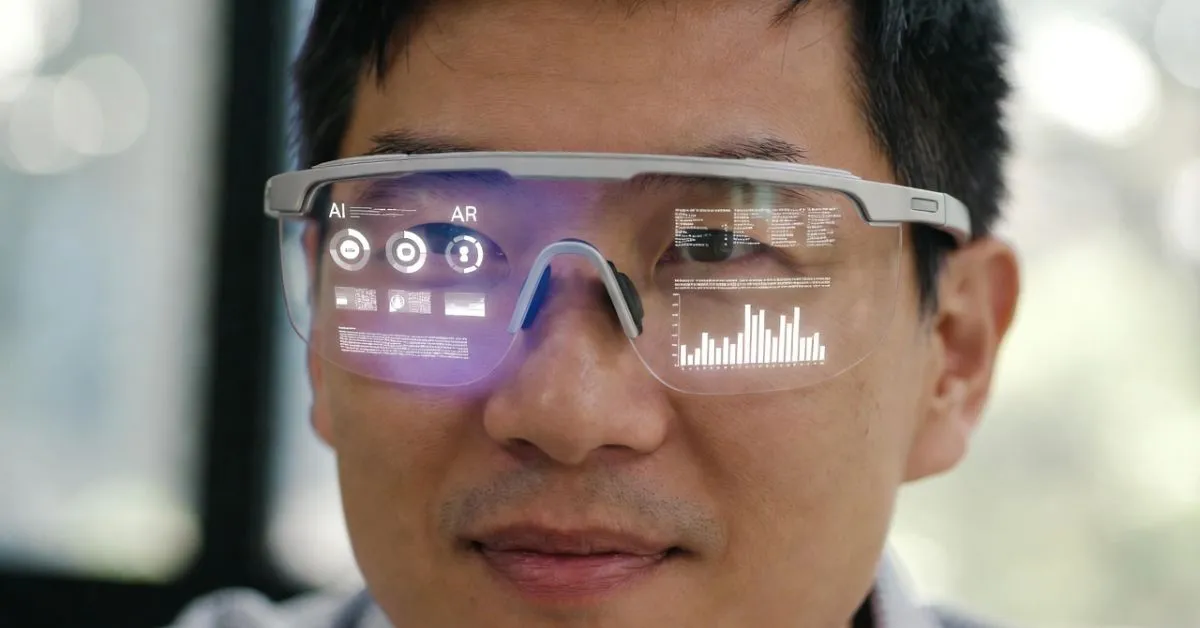
Ever thought about how your regular glasses could turn into a mini computer on your face? These days, smart glasses mix in AI and AR to help with all sorts of things, no need to grab your phone every time. If you’re wondering what’s new with them, stick around. We’ll chat about what they do, the cool updates, some top choices, and yeah, the not-so-great parts too, pulling from the latest buzz.
Key Takeaways
- AI in smart glasses jumps in with translations and reminders right when you need them, and about 78% of the models out there use it for that fast support.
- Sales shot up 110% from last year in 2025, and folks are saying we might see 289 million people using them by 2040 as they get cheaper.
- The newer ones are super light, under 80 grams, so they don’t tire out your eyes or feel heavy after a while.
- They come with easy privacy settings to keep your info in check, which helps with those nagging worries about always-on cameras.
- Go for ones with haptic vibes to make everything feel more hands-on and less like staring at a screen.
What Are Smart Glasses?
Smart glasses are basically eyewear with built-in smarts to show stuff, play audio, or snap pics. They hook up to your phone or run solo, with tiny screens and sensors that layer digital bits over what you see. This makes them handy for directions, chats, or keeping an eye on your workouts without extra devices.
Core Components
Inside, you’ve got small screens, cameras, and mics working together. AR display glasses beam images through special lenses, and AI bits handle voice or hand waves. Throw in batteries and wireless connections for smooth app ties. Like, neural gesture control means you can flick your wrist to change tracks, picked up by bands that sense your muscles.
Say you’re strolling through a crowded spot and directions just appear in front of you. That’s these pieces clicking into place. They stay feather-light, often less than 70 grams, so it’s like they’re not even there.
Evolution to 2026
They used to be chunky and awkward, think back to those first tries ages ago, but now they’re slim and look normal. Come 2026, prices starting at $299 make them easier to grab than before. The whole scene was worth USD 2.46 billion in 2025 and might hit 14.38 billion by 2033, growing 28% each year.
It’s all thanks to sharper tech and frames that blend in. Kind of like how phones got smarter—now AI steps in to guess what you want. Things like 240Hz speeds make AR feel smooth, ditching that old stutter.
Key 2026 Innovations
2026 is packing in features that slide right into your routine. From AI that reads the room to screens that pop, these tweaks handle stuff like quick-draining batteries or fiddly buttons. Let’s dig into the fresh stuff.
AI-Powered Features
AI makes them like a buddy who’s always got your back. Real-time translation glasses flip languages into subtitles on the spot, great for trips. Neural gesture control catches your arm moves for easy commands, no taps required.
Here’s an idea: When the signal flakes out, flip to offline AI for simple things like notes. Tests show 42 pixels per degree for crisp words. It frees up your hands, super useful when you’re juggling stuff.
AR and Display Advances
AR eyewear gives you big views, up to 70 degrees, for stuff that feels right there. At CES 2026, they showed off 240Hz screens that cut out blur in games or clips. Stack that against older 60Hz ones—it’s like going from fuzzy TV to crystal clear.
For games, tie-ups like Xreal’s amp up the speed. Quick tip: Tweak the light levels outside so AR stays sharp in the sun. It all makes virtual things mix in better with what’s real.
Battery and Comfort Upgrades
Batteries hold out 6-12 hours these days, and you can swap them to keep going. Haptic feedback wearables buzz for notifications, easing up on screen time and your eyes. Slimmer builds help with that too.
If they start bugging you, grab ones with tweakable nose bits. Numbers from users say these changes mean way less tiredness, so you can wear them longer without stopping.
Top Smart Glasses Models
Finding the right pair boils down to what you do most. We’ll look at a few favorites, pointing out what makes each one stand out. They’ve all got their own vibes for different folks.
Meta Ray-Ban Display
This one slaps a single-eye screen onto classic Ray-Ban looks. It nails AI questions and quick shots, with wristbands that catch your gestures. Good sides: Sharp 42-pixel clarity; downsides: Software hiccups now and then.
Next to just-sound models, the screen throws in extras like maps. People dig it for grabbing moments on walks. For $299, it’s a nice way to dip in.
Xreal One Pro Series
Geared for games, this line has 240Hz AR and team-ups like with Asus. It dishes out wide angles for deep dives, at around 80 grams. Battery flips keep you in the zone.
Against Meta, it’s a bit chunkier but tops for fun. Try this: Link up controllers for spot-on moves. Folks rave about how clear it is in quick action.
Even Realities G2
This guy’s all about smart AI that paints pictures of what’s around for easier access. A ring handles controls, with buzzy feedback. It’s light at 69 grams, plus solid privacy options.
Different from the rest, it leans on voice more than waves. Perfect if sight’s an issue—like having it read signs out loud. Around $499, but it pays off for everyday ease.
Applications and Use Cases
Smart glasses aren’t just gadgets—they handle actual stuff. From jobs to staying healthy, they fit where you need. Here’s the rundown.
Everyday Productivity
They throw up subtitles for movies in other languages or spit out answers fast. Health management glasses log your steps with built-in trackers. Think whipping up dinner with steps right in your sight—no glancing at your phone.
Idea: Link them to your schedule for pings. Stories from users show they shave time off trips with AR paths.
Enterprise and Industry
On the job, like in plants, they overlay fixes to spot mistakes quick. The field’s eyeing USD 26.5 billion by 2027, up 20.6% yearly. Crews use them for no-hands guides.
Better than pads, they let you keep eyes on the work. Take mechanics: AR points out problems faster in real setups.
Accessibility and Health
For folks with sight troubles, they describe scenes or zoom in words. Haptic bits buzz directions. Fun bit: Some check your pulse like fitness bands.
Worried about tired eyes? Snag ones with dim blue light. Reports tie them to more freedom for low-vision users.
Challenges in Smart Glasses
Nothing’s flawless. These have their hitches, but spotting them helps you pick smart. We’ll hit the big ones and ways around them.
Privacy and Security Issues
Always-filming cams can leak data if hacked. That “Glasshole” tag hangs around from people feeling watched. Turn on choose-your-own recording to stay in control.
Pros say: Keep software fresh. Safer encrypted ones like Meta cut down risks when stacked up.
Health and Comfort Concerns
Wearing them long can make eyes dry or achy, that’s sicca syndrome. The weight might strain your neck. If you need glasses anyway, get ones with lens tweaks.
Easy fix: Pause every 20 minutes. Checks show slimmer versions halve the gripes.
Sustainability Gaps
Batteries pile up as trash; making them hurts the planet. 3D printing eyewear lets you tailor without extra junk. Hunt for frames you can recycle.
The push is toward green stuff. It’s getting better, but peek at labels first.
Future of Smart Glasses
Down the road, they’ll weave in even tighter. Signs point to more people jumping in and cleverer tricks. Keep an eye out.
Emerging Trends
Ones with built-in eSIM skip the phone for straight web hooks. Mixed reality mashes AR and VR. Bets are on 1,800% more users by 2040.
Stuff like better buzzy feels will make it all more real. Way beyond today’s starters—huge step up.
Global Accessibility
In spots without much cash or signals, they’re tough to use. Android setups open doors more than just iOS. Fix it with cheap versions.
Suggestion: Look for deals on health ones. Coming tweaks might add sun-powered charges to close the divide.
FAQs
What are smart glasses?
Smart glasses are eyewear you wear with extras like cams, speakers, and screens baked in. They slap digital stuff over real life with AR, take voice orders through AI, and link up wireless. Folks use them a lot for getting things done, looking like everyday glasses but with bonuses like snapping pics or finding your way. Types range from sound-only to full AR, and they tip the scales at 50-80 grams to stay comfy.
How do smart glasses work?
They run on chips for AI, sensors to catch waves or tracks, and mini screens for AR layers. Bluetooth or Wi-Fi ties them to phones or online. Juice from small batteries keeps them going 6-12 hours. Take neural controls: They pick up muscle twitches from a band to do things like pick up calls.
What are the best smart glasses in 2026?
Highlights are Meta Ray-Ban Display for its AI mesh, Xreal One Pro for game AR, and Even Realities G2 for easy access. Meta gives clear screens at $299; Xreal nails fast refreshes; Even zeros in on describing views. Pick by what you want—work, play, or health—thinking about power and feel.
Are smart glasses worth it?
Sure, if hands-free aids like language flips or AR hints fit your life, especially at $299-799. They amp up your day but watch for short batteries and privacy bits. Casual types might like sound-focused; gamers go for top AR. Balance how much you use them against the price—lots say they cut time on stuff like routes or talks.
Do smart glasses have displays?
Plenty do, with single or double-eye AR that throws up words or maps. Some stick to audio for low-key, just speakers and mics. Screens hit 42-70 degree spans with 240Hz for fluid looks. Not every one needs ’em—voice AI handles basics without visuals.
What is the future of smart glasses?
Look for solo runners with eSIM, fancier buzzy tech, and health checks by 2030. Numbers could reach 289 million users by 2040, thanks to smarter AI and dropping prices. The wave includes green makes and wider reach, folding AR into normal days for effortless tech.
Think about what you’d use smart glasses for—fast tips, AR thrills, or health perks. Give a lower-price one a shot to see, and keep tabs on new drops that match how you roll.