
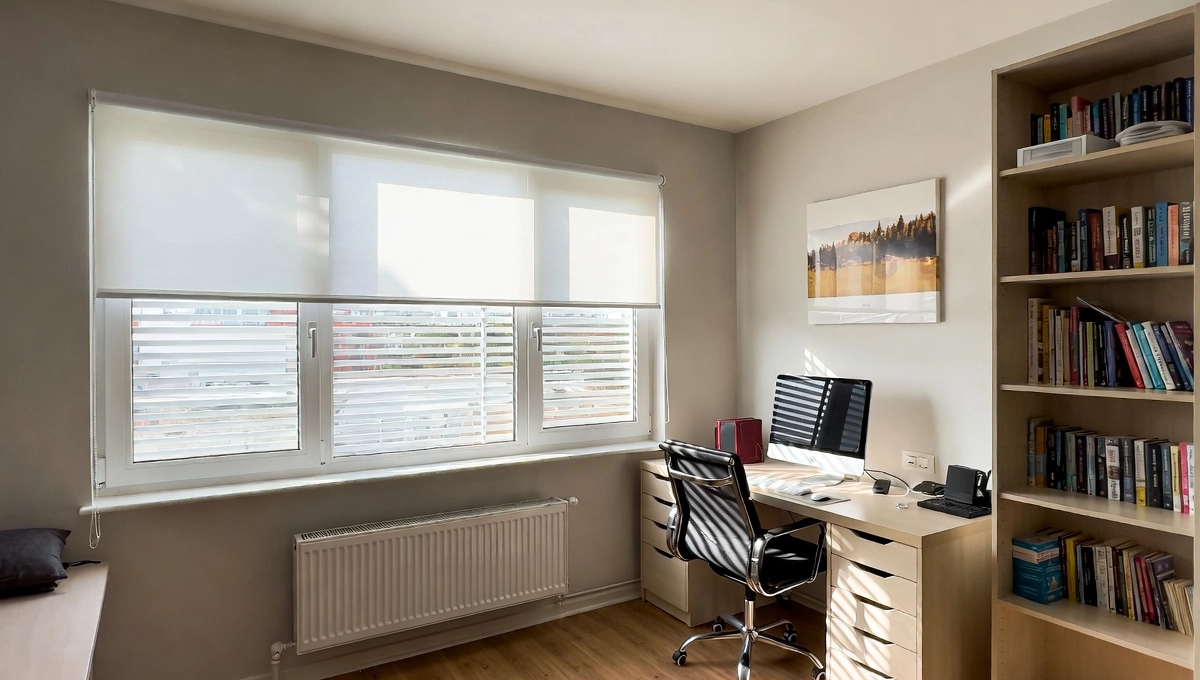
Light Control Technology Explained Simply
You get home after a long day, the house lights up just enough as you walk in, then chills out when you’re watching TV. No fumbling for switches. That’s light control technology in action. It’s basically lights with smarts, so they don’t waste electricity or bug you. I’ve messed around with a few setups myself, and once you try it, going back feels old-school.
Key Takeaways
- Light control technology systems can knock up to 60% off your lighting bill by shutting things off when nobody’s around.
- They team up with your phone or voice assistants to make rooms feel cozier and more tuned to your routine.
- The whole field of Light control technology is growing fast—people say it’ll hit around $124 billion by 2032 because everyone’s going greener and smarter.
- Yeah, Light control technology costs a bit to start, but smart choices make the payback pretty quick.
- The good ones even help your mood and sleep by shifting light colors naturally.
What Is Light Control Technology?
At its simplest, light control technology lets you boss your lights around—turn them on, dim them, or kill them completely without always touching a switch. It went from plain on-off flips to sensors and apps that handle stuff automatically.
You see light control technology everywhere now, from cheap bedroom dimmers to fancy whole-house networks. Companies like Lutron and Acuity Brands make a lot of the popular gear, and things like the DALI setup keep everything talking nicely. The U.S. Department of Energy points out that when you match it with LEDs, those bulbs stick around 3 to 10 times longer—no more changing them every few months.
Evolution of Lighting Controls
Remember when we just had wall switches? Then timers showed up, so porch lights wouldn’t stay on all day. These days, it’s all wireless and app-driven, almost like the lights know what you’re up to. I had a buddy who used to yell at his kids for leaving lights blazing. Now his system just senses the room is empty and handles it. That change from manual to connected has made a huge difference for a lot of people.
Key Components of Light Control Technology Explained
The main pieces are sensors that notice movement or daylight, dimmers that soften the glow, and little controllers tying it together. Occupancy sensors figure out if someone’s actually there, and photosensors peek at window light to avoid overdoing it.
Take the Empire State Building—they added smart controls and dropped energy use by 38%. If you’re just dipping your toes in, a basic dimmer switch is super easy and cheap. Put those parts together, and suddenly your lights aren’t wasting power anymore.
Types of Light Control Systems
Light control technology systems are a handful of ways to do light control technology, and which one fits depends on your place. Basic manual stuff is cheap and straightforward, but the smarter automated ones do more thinking for you.
Words like dimmer switches and motion detectors get tossed around, but they’re really just helpers. Wireless beats old wired systems hands-down for most homes—no tearing up walls.
Manual and Basic Controls
Think twist-knob dimmers or plug-in timers—the classics. Perfect for a bedroom where you want mood lighting without pulling out your phone every time.
Quick tip: If your lights buzz or flicker with LEDs, grab ones labeled LED-compatible. It fixes the annoyance fast and saves a bit more power.
Automated Sensor-Based Systems
Sensors run the show here. Occupancy sensors switch off lights in empty rooms, and motion detectors flip on when you walk by. PIR works great indoors; ultrasonic handles bigger open spaces better.
Offices love them—studies show they cut lighting use by 20 to 50%. Ever walk into a meeting room that’s already lit because someone forgot to turn it off? These stop that nonsense.
Smart and Networked Controls
This is the fun part—lights linked to apps, Bluetooth mesh networks, even your whole home setup. Signify (you know them as Philips) has cool options that play nice with heating and cooling, too.
One neat thing is hooking lights to HVAC for bigger savings across the house. If you’re into gadgets, something like Lutron’s system turns regular bulbs into a smart network without major work.
Benefits of Light Control Technology
The real draw? Light control technology saves money and makes life nicer without much hassle. Fortune Business Insights says smart combos can slash lighting costs by 60%—that’s real cash back in your pocket. It’s not all numbers, though. Lights that come on gently in the morning or warm up at night just feel good.
Energy Efficiency Gains
Lights only burn when needed—sensors and daylight tricks cut the waste. That’s why the market keeps jumping, about 16.5% growth a year, as more people care about the planet. Easy move: Stick photosensors by big windows. They dim the room lights when the sun’s pouring in—no effort, instant savings.
Enhanced User Comfort
Some setups shift color temperature to match your day—brighter and cooler when you’re working, softer and warmer at bedtime. Folks in offices with that kind of lighting say they feel about 15% better overall.
At home, it’s the same: Dim to cozy tones before bed, and you might actually sleep better. It’s like the lights are looking out for you.
Cost Savings Over Time
Sure, buying the gear costs something upfront, but it pays for itself. Basic dimmers are quick wins; full smart installs might run a few grand but save way more long-term. Grab an online savings calculator for your home size—it shows the numbers clearly and helps decide if it’s worth it.
Applications Across Sectors
This stuff works anywhere. Homes get convenience, offices get lower bills, and the outdoors get safety. It’s flexible like that. For families, think kid-safe controls that avoid bright lights at night.
Residential and Smart Homes
Voice commands through Alexa or Google make it effortless—”Hey, turn the living room low.” AI is starting to learn your patterns, too. If you’re renting, wireless dimmers are great—no landlord drama over wiring.
Commercial and Office Spaces
Big places use brands like Schneider Electric to control whole floors. One office I read about dropped costs 30% just by adding sensors that track real use. Empty conference rooms eating power? Sensors fix that fast.
Outdoor and Industrial Uses
Path lights that pop on with motion keep things secure, and the outdoor side is growing about 9.4% a year. Factories need tough gear that handles dust or rain. Weather can wreck cheap stuff, so pick sealed, rated units. That solves a lot of the headaches outdoors.
Challenges in Light Control
It’s not all smooth—costs add up, brands don’t always play nice, and wireless opens security doors. But most issues have workarounds. A friend of mine bought mismatched gear and spent weeks troubleshooting. Always check if things talk to each other first.
High Installation Costs
Basic stuff is pennies, but pro installs hit $0.50 to $1 a square foot. Full systems go higher. Start DIY with plug-ins to see if you like it before going all-in.
Interoperability Hurdles
Different brands lock you into their world sometimes. Open standards like DALI let you mix and match more easily. Read up on what works together—saves tons of frustration later.
Security and Maintenance Issues
Connected lights can get hacked if you’re not careful, and updates are a chore. Predictive AI helps spot problems early. Regular check-ins (commissioning, they call it) keep everything humming without surprises.
Future Trends in Lighting Controls
Things are moving quickly—smarter AI, greener materials, health-focused lights. Forecasts say $92 billion or so by 2031, all thanks to IoT taking over.
AI and IoT Advancements
Lights that guess what you want based on habits. It’ll feel seamless, like the house just gets you.
Sustainable and Health-Focused Designs
More recyclable parts, LEDs everywhere now that old bulbs are phased out. Human-centric stuff is big for feeling good indoors.
Comparisons of Top Systems
Lutron feels homey and easy to use; Acuity handles big commercial jobs better. Wireless wins for quick setup, wired for rock-solid reliability in huge spaces. Signify brings fun extras like color shifts. Try demos if you can—see what clicks for your life. Give one small upgrade a shot, like a motion sensor somewhere. You’ll probably wonder why you waited so long. What’s the first spot you’d try it in your place?
Conclusion
Light control technology is no longer a luxury—it’s a smart upgrade that blends comfort, efficiency, and control into everyday life. From simple dimmers to advanced smart systems that adapt to your habits, these solutions reduce energy waste, lower bills, and create lighting that truly fits your routine. While upfront costs and compatibility issues can exist, starting small with sensors or wireless controls makes the transition easy and rewarding. As homes and buildings move toward smarter, greener living, intelligent lighting is quickly becoming a must-have rather than a nice-to-have.
FAQs
- What is light control technology and how does it work?
Light control technology uses dimmers, sensors, timers, and smart systems to automatically turn lights on, off, or adjust brightness based on occupancy, daylight, or user preferences. These systems reduce energy waste while improving comfort and convenience in homes and commercial spaces.
2. Does light control technology really save energy and money?
Yes. When combined with LED lighting, light control technology can reduce lighting energy consumption by 20% to 60%. Features like occupancy sensors and daylight harvesting prevent unnecessary usage, leading to lower electricity bills and long-term cost savings.
3. What are the main types of light control systems?
The main types include manual controls (dimmers and switches), sensor-based systems (motion and daylight sensors), and smart or networked controls that integrate with apps, voice assistants, and smart home platforms for automated lighting management.
4. Can light control systems be integrated with smart home devices?
Most modern light control systems are compatible with popular smart home platforms such as Alexa, Google Assistant, and Apple HomeKit. Wireless smart dimmers and hubs make integration easy without complex wiring or professional installation.
5. What are the common challenges of using light control technology?
Common challenges include higher upfront costs, compatibility issues between brands, and security concerns with connected devices. Choosing open standards, updating software regularly, and starting with scalable systems help minimize these issues.