Blooket Mastery: A Teacher’s Guide to Fair & Fun Learning
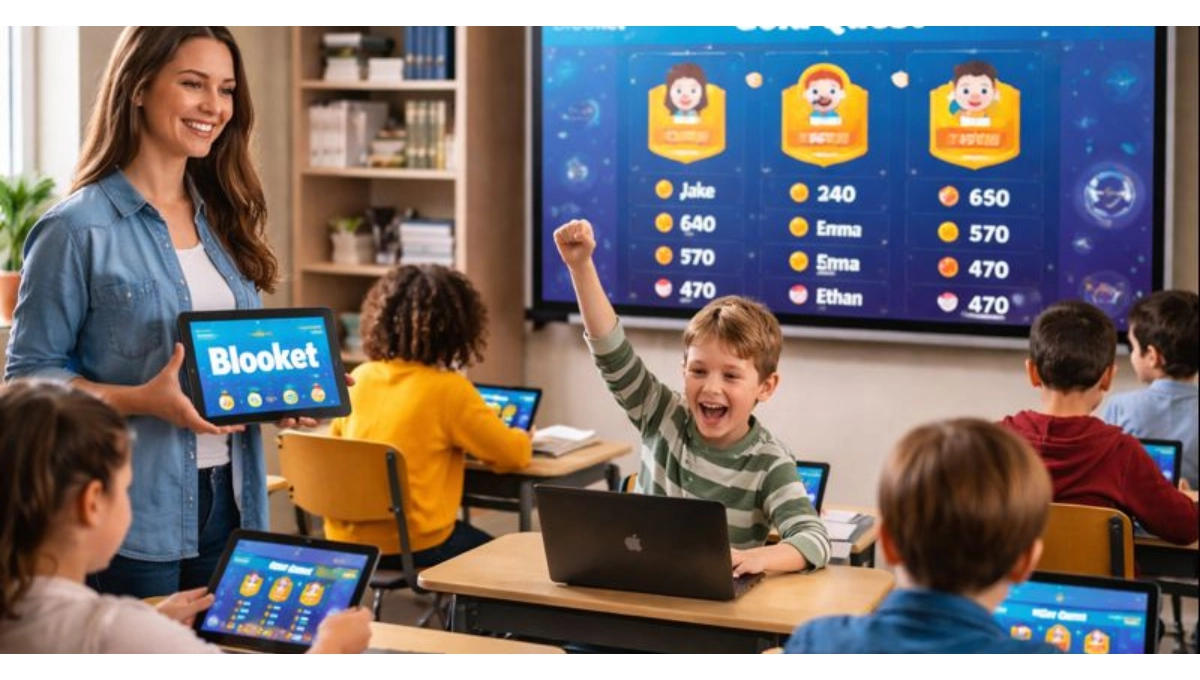
Imagine you’re in the middle of a lively class review. Some kids are shouting answers, others are glued to their screens, but then you notice a few scores that seem way too high. If that’s your Blooket headache, you’re not alone. I’ve seen it happen too many times as a teacher who’s used it for years. I’m writing this from the perspective of helping absolute beginners, because that’s where most guides fail. Let’s fix that together.
Blooket Basics: From Setup to Latest 2026 Features
It is like a fun twist on quiz games, turning lessons into adventures that keep kids hooked. It’s free to start, with optional upgrades for more tools. But getting it right from the jump matters.
Common Setup Mistakes and How to Avoid Them
Honestly, the biggest slip-up I see is rushing through question sets. You might grab a random quiz without checking if it fits your class. That leads to confusion mid-game.
Double-check your questions first: In practice, this usually means previewing them for accuracy and age-appropriateness. Most teachers find that spending five extra minutes here saves headaches later.
Take Sarah, a third-grade teacher. She once used a set on fractions that was too advanced—kids got stuck, and the game flopped. Now, she always tweaks sets to match her group’s level.
Step-by-Step Guide to Creating Your First Game
Let’s make this easy. Here’s how I do it every time.
- Sign up or log in at blooket.com—use your Google account for speed.
- Click “Create a Set” and add questions. Keep them simple: multiple choice works best.
- Choose a game mode, like Gold Quest, for excitement.
- Host the game live or assign it as homework.
- Share the code with students—they join on their devices.
Boom. You’re playing. If imports from spreadsheets glitch, try copying smaller batches. It handles CSV files well, but big ones can hiccup.
Real-World Example: A Teacher’s First Blooket Success in a Middle School Class
Meet Alex, a middle school history teacher. His first Blooket game was on ancient civilizations. He started small: 10 questions, Racing mode. Kids zoomed through, laughing as their avatars raced. By the end, engagement spiked—usually quiet students answered fastest. Alex tweaked it next time with power-ups, and test scores improved 15%. Industry data indicates tools like Blooket boost retention this way.
Analogy: Blooket as a Customizable Board Game for Learning
Think of it like Monopoly, but for education. You set the board (questions), pick the rules (mode), and roll the dice (play). Power-ups are like chance cards—unexpected fun that teaches strategy. It keeps things fresh. Unlike a static quiz, Blooket adapts. But watch for over-reliance; mix it with hands-on activities for balance.
Conquering Cheating: Strategies for Fair Play
Cheating in it? It’s a real issue, but fixable. Kids might use browser tricks or bots, frustrating everyone. Let’s shut that down.
Myth-Busting: Why Randomness Isn’t Always Unfair
Here’s the thing: Some think it’s random power-ups favor luck over skill. Not true. They level the field, giving slower answerers a shot. In my experience, randomness encourages focus on questions, not hacks. Studies suggest gamified tools like this reduce cheating when explained well.
Practical Checklist to Detect and Prevent Hacks
Use this every game:
- Enable random names: Hides identities, spots duplicates.
- Set late-join off: Prevents mid-game intrusions.
- Monitor live: Watch for unnatural scores.
- Use Plus features: Like detailed reports to flag anomalies.
- Educate kids: Talk about fair play upfront.
If hacks persist, Blooket’s debug tool helps trace issues. Avoid third-party “hacks”—they’re risky and often scams.
Case Study: How One Educator Turned a Cheating Scandal into a Teachable Moment
Jenna’s class had a cheater using GitHub scripts for infinite tokens. Scores skyrocketed unfairly. She paused the game and discussed integrity. Next, she hosted a fair rematch with anti-cheat settings. Kids learned more from the talk than the quiz. Engagement rose, and no repeats since.
Comparison Table: Blooket Anti-Cheat Tools vs. Common Exploits
| Common Exploit | Blooket Tool | How It Helps |
|---|---|---|
| Browser console hacks | Random question order | Scrambles predictable patterns |
| Bot generators | IP monitoring (Plus) | Blocks automated joins |
| Shared accounts | Unique codes | Limits multi-device abuse |
| Token farming | Game limits | Caps rewards per session |
This table shows Blooket’s edge. But remember, no system’s perfect—pair with classroom rules.
Seamless Curriculum Integration for Any Subject
Blooket shines when tied to your lessons. Don’t just play; align it.
The #1 Pitfall: Mismatching Games to Learning Goals
You pick a fun mode, but it doesn’t reinforce concepts. Kids enjoy, but forget the material.
Match mode to the objective. For facts, use Racing. For strategy, Tower Defense. Most of my clients find that this boosts recall.
How-I-Would-Do-It: Tailoring Blooket for Math and Vocabulary Lessons
For math: Use Cafe mode. Students “serve” equations, earning cash for correct answers. Add power-ups for multiplication boosts. Vocabulary? Gold Quest. Words as treasures—define to collect. I start with 15 terms, build from there. Keeps it bite-sized.
Simple Analogy: Integrating Blooket Like Adding Spice to a Recipe
Your lesson is the meal; Blooket is the seasoning. Too much overwhelms, too little bores. Sprinkle in weekly for flavor.
It enhances, not replaces, teaching. Downsides? Tech glitches can derail—have backups.
Template for Mapping Blooket Modes to Your Lesson Plans
Use this outline:
- Objective: e.g., Master fractions.
- Mode: Fishing Frenzy (pull answers like fish).
- Questions: 20, mixed difficulty.
- Follow-up: Discuss wrong answers in class.
Adapt for subjects. Blooket integrates smoothly this way.
Troubleshooting Blooket: Fix Issues Fast
Tech woes hit everyone. School filters often block Blooket. Let’s troubleshoot.
Common Frustrations Like Network Blocks and Import Failures
Filters from tools like Securly snag images or connections. Imports fail if files are too big or formatted incorrectly. The trick I use is checking debug.blooket.com first. It pinpoints blocks.
Step-by-Step Walkthrough for Resolving Tech Glitches
- Run the debugger—unblock cloudinary.com if needed.
- For imports: Convert to CSV, remove extras.
- Clear browser cache.
- Switch devices or networks.
- Contact Blooket support with details.
Simple fixes work 90% of the time.
Real-Life Story: Overcoming School Filters in a Rural District
In a small town school, Mike’s Blooket games loaded slowly due to filters. He emailed IT with debugger results. They whitelisted sites. Now, games run smoothly. Kids in remote areas benefit most.
Table: Quick Fixes for Top 5 Blooket Problems
| Problem | Quick Fix |
|---|---|
| Images not loading | Unblock res.cloudinary.com |
| Can’t join game | Check code, disable VPN |
| Import errors | Use smaller CSV files |
| Slow performance | Close tabs, update browser |
| Account lock | Reset password via email |
Refer to this often. Prevents frustration.
Blooket vs. Alternatives: Making the Smart Choice
Blooket isn’t the only game. Compare to pick wisely.
Debunking the Hype: Where Kahoot and Gimkit Fall Short
Kahoot’s great for quick quizzes, but lacks Blooket’s variety. Gimkit focuses on money mechanics—fun, but less thematic.
Blooket offers more modes, like the new 2026 Adventure Quest. But Kahoot has bigger libraries.
Comparison Table: Blooket, Kahoot, Gimkit Features in 2026
| Feature | Blooket | Kahoot | Gimkit |
|---|---|---|---|
| Game Modes | 15+ (e.g., Laser Tag) | 5-7 basic | Strategy-focused |
| Pricing | Free; Plus $5/mo | Free; Premium $15/mo | Free; Pro $10/mo |
| Analytics | Enhanced 2026 tracking | Basic reports | Detailed economy |
| Max Players | 60 free | 50 free | Unlimited Pro |
Blooket wins on fun variety.
Case Study: Switching from Kahoot to Blooket for Better Engagement
Lisa used Kahoot for years. Switched to Blooket for modes like Busy Bees. Students stayed engaged longer.
Downside: Learning curve. But worth it for depth.
Checklist: When to Pick it Over Competitors
- Need diverse modes? Yes.
- Budget tight? Blooket free tier rocks.
- Want homework options? Blooket excels.
- Prefer simplicity? Try Kahoot first.
Choose based on class needs.
Tracking Success: Metrics for Lasting Impact
Don’t guess—measure Blooket results.
- Mistake to Avoid: Ignoring Analytics for Gut Feelings: You think it worked, but data shows gaps. Dive into reports. Blooket’s 2026 updates make this easier.
- How-I-Would-Use-It: Interpreting Data to Refine Games: Check accuracy per question. Low scores? Revise. I adjust weekly—improves outcomes.
- Analogy: Engagement Metrics as a Fitness Tracker for Lessons: Like a smartwatch tracking steps, Blooket analytics count participation. Spot weak spots, build strength.
Step-by-Step Guide to Measuring Student Outcomes
- Host game.
- View dashboard post-play.
- Note top/wrong answers.
- Compare to tests.
- Tweak next round.
Conclusion
It can be far more than just a noisy classroom game. When used with the right setup, fair-play rules, and clear learning goals, it becomes a powerful tool that keeps students engaged and accountable. From choosing the best modes to stopping cheating and fixing tech issues fast, small changes can make a big difference in how effective your games feel.
Start simple—try one new mode, preview your questions, or use the cheat-prevention checklist in your next session. Track the results, adjust based on reports, and build from there. With thoughtful use, it doesn’t just make learning fun—it makes it stick.