How to Pronounce Pivot: Easy Guide to Getting It Right
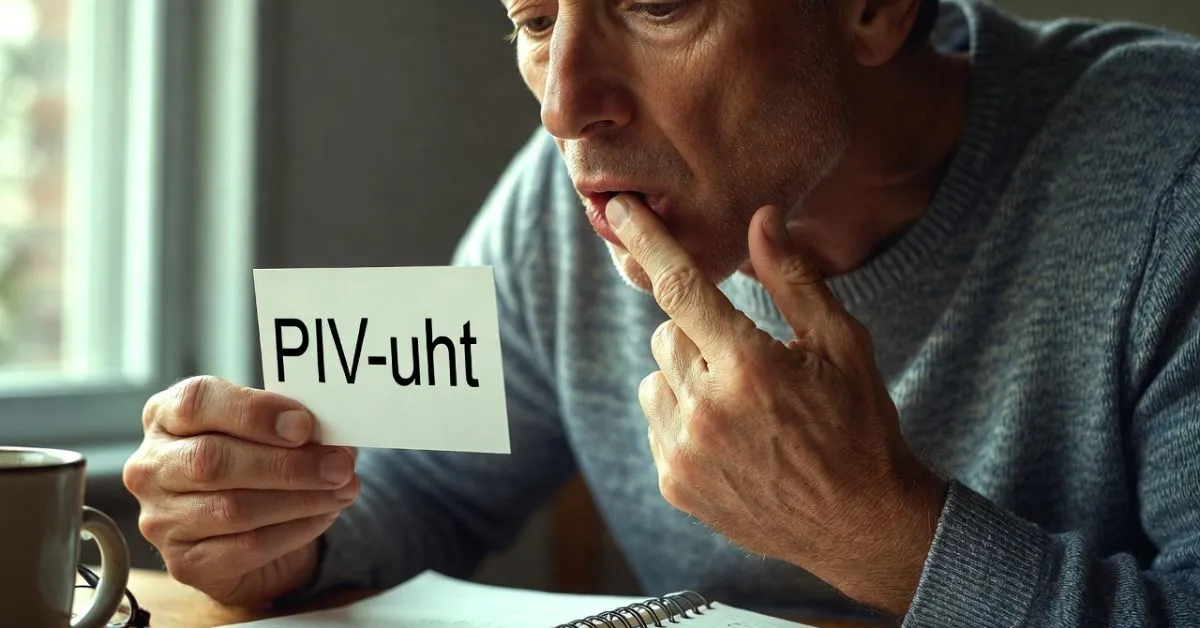
Tired of fumbling over “pivot”? It’s simply “PIV-uht” with the punch on the first syllable and a short “i” like in “pit.” Come along as I walk you through the sounds, fix those annoying mix-ups (hello, “pilot”), and give you real tricks to make it feel natural fast.
Hey, picture this: You’re on a video call with your team in Abbottabad, explaining how your project needs to shift direction, and the word “pivot” just won’t come out smooth. Everyone pauses for a second, and you feel that little heat in your cheeks. Sound familiar? I’ve done the exact same thing—mumbled it wrong in meetings, caught myself saying it like “pie-vot,” and wished someone had just sat me down for a quick chat about it.
That’s what we’re doing here. Grab your tea or coffee, get comfy, and let’s break down how to say pivot the right way. No complicated stuff, just friendly tips that actually help.
Key Takeaways
- Pivot sounds like “PIV-uht” – really hit that first part hard, then let the rest fade softly.
- Keep the “i” short and snappy, exactly like the one in “pit” or “sit” – never drag it out to “pie.”
- The biggest headache comes from mixing it with “pilot” because the spelling teases you – we’ll clear that up quick.
- That ending “uht” is super relaxed, almost like you’re barely saying it.
- Practicing in full sentences from your everyday life (work changes, sports moves, everyday objects) makes it stick way better than repeating the word alone.
How Pivot Actually Sounds
The Simple Sound Breakdown
The most reliable way to pin it down is /ˈpɪv.ət/ – that’s what you see on Cambridge Dictionary, Merriam-Webster, and Oxford sites.
It has just two parts: piv and ot. Stress lands hard on “piv” so it stands out. The “ot” slips in quietly and fast. When you talk normally, the whole thing flows without any big break between the two bits.
American or British – Any Real Difference?
Not really worth stressing over. Pretty much everyone says /ˈpɪv.ət/.
If you’re listening closely, an American voice might let the first vowel loosen up a tiny bit (“PIH-vət”), while a British one keeps it a little sharper (“PIV-uht”). But in real chats? It’s close enough that no one notices or cares. Use whichever matches your own speaking style.
Getting Your Mouth in the Right Spot
Sometimes feeling the movements helps more than reading about them.
Start with the /p/: Squeeze your lips shut, then pop them apart with a puff of air. No hum in your throat – it’s silent.
For the short /ɪ/: Lift your tongue just a little toward the top of your mouth, but keep everything relaxed. Your jaw stays mostly closed. It’s the exact quick sound in “hit” or “bit” – short, not pulled long like “he.”
The /v/ comes next: Touch your bottom lip to your top teeth lightly, and let your voice buzz gently.
Then the schwa /ə/: Totally chill – open your mouth a bit, tongue flat, and let out a soft “uh.” End with a clean /t/ by tapping your tongue tip right behind your top teeth and releasing.
Say it really slow first: p… ih… v… uh… t. Speed it up to normal: pivot. Record it on your phone right now. Play it back. Does the beginning pop and the end whisper away? If so, you’re already on track.
The Mistakes Everyone Makes (And How to Stop)
We all hit the same walls. Let’s knock them down one at a time.
Do you ever slip into “pie-vot”? Happens all the time, especially if your first language has a longer “i” sound. But English wants it short here. Easy fix: Practice words that share that exact vowel – say “pit… pivot… pit… pivot.” Go back and forth until the short snap feels automatic. It’s like training your mouth muscle memory.
Another common one: giving the second part too much power – “piv-OT.” English tends to squash those unstressed endings. Try this: Clap loudly only on the first syllable every time you say it. Clap-PIV… tiny uht. It might feel silly, but it rewires the rhythm fast.
Then there’s the spelling trap: pivot and pilot. They look like siblings! But pilot says /ˈpaɪ.lət/ with a drawn-out “ai” (like “pie”) and an “l” slide in the middle. Pivot keeps the quick /ɪ/ and uses the buzzing /v/. Do this daily: pivot… pilot… pivot… pilot. Notice how your mouth changes on that vowel? After a few rounds the mix-up fades away.
Last little habit: making the schwa a full “o” or “ah.” Resist! Keep it lazy – imagine you’re mumbling “uh” while half-asleep. Your jaw and tongue should feel loose.
Where Pivot Shows Up in Everyday Talk
The pronunciation stays exactly the same no matter the meaning, but tying it to real situations helps it feel alive.
Imagine pointing at a wobbly fan: “See how it turns on a pivot?” Say the sentence while picturing the spin.
In work: “Last quarter we had to pivot to a new plan.” This one pops up constantly in meetings or emails when things change direction suddenly.
On the sports side: “Don’t lift your pivot foot or it’s a travel.” Basketball fans use it all the time when talking about footwork.
Choose the one that matches your world – maybe business chats if you’re in meetings a lot, or something simpler if not. Say a full sentence out loud while you’re cooking or walking around the house. It sneaks the word into your natural speech way quicker.
Ways to Practice That Actually Work
The secret isn’t hours of drilling – it’s short, smart repeats.
Open Cambridge Dictionary or YouGlish, search “pivot,” and play a bunch of different people saying it in real sentences. Pick one or two clips that sound closest to how you want to talk, then mimic them exactly.
Record yourself saying a sentence. Play it next to a native example. Adjust one thing at a time – maybe shorten the vowel or soften the ending. Hearing the difference is huge.
Here are some sentences to loop: “This old gate hinges on a pivot.” “Many companies pivot during hard times.” “Control your pivot foot when you turn.” Say each 8–10 times – slow first, then at normal speed.
For fun (and to loosen up your tongue): Try “Pivoting prevents poor performance.” Or mix in the trap word: “The pilot learned to pivot quickly.” Keep going until it flows without stumbling.
Set a timer for five minutes in the morning or before bed. In just a week or so, you’ll notice it coming out automatically.
Words That Feel Like Cousins
After you nail pivot, these are easy next steps. Pivotal /ˈpɪv.ə.təl/ – as in “This meeting feels pivotal for the team.” Same strong first syllable. Pivoting /ˈpɪv.ə.tɪŋ/ – “She’s pivoting toward a fresh career path.”
Everything builds on that same core sound, so it connects naturally.
FAQs
How do you really pronounce pivot?
It’s “PIV-uht” – strong on “PIV,” short “i” like “pit,” quick soft “uht” at the end. Check the IPA /ˈpɪv.ət/. Hit play on a dictionary audio clip a few times and follow along – it clicks fast.
Is there a big difference in American vs British pivot?
Not much at all. Both use /ˈpɪv.ət/. American might relax the “i” a hair (“PIH-vət”), British keeps it crisp. In everyday talking, they’re basically twins – pick what feels right for you.
Why do so many people confuse pivot with pilot?
The spellings are sneaky close. Pilot pulls a long “ai” sound (“PIE-lət”) and slips in an “l,” while pivot sticks to short “i” and “v.” Practice saying them side by side – the mouth shift becomes obvious quick.
What does the IPA for pivot actually tell me?
/ˈpɪv.ət/ shows the stress (that ˈ mark) on the first part, short /ɪ/ for “i,” and weak /ə/ for the “uh.” It’s basically a little map of how your mouth should move.
What’s the best practice for someone who’s not a native speaker?
Listen to real examples on YouGlish or dictionaries, record yourself to compare, and repeat full sentences every day. Focus on the short first vowel and lazy ending. Short sessions win over long ones.
Does the meaning change how pivot sounds?
Not even a little. Whether it’s a turning point, a verb for changing direction, or a basketball term – it’s always /ˈpɪv.ət/. Only the sentence around it shifts.
Alright, give it a try right now – say “pivot” out loud. Feel that front stress and the soft drop-off? That’s it.
Next time the word comes up – maybe in a work discussion or just explaining something simple – let it roll out naturally. If it still wobbles, pop back here for the mouth tips or a quick recording check. You’re already miles ahead just by caring enough to improve. You’ve got this – keep practicing, and soon it’ll feel like no big deal at all.