
Inside Souza-Baranowski: Exposed the Violence And Changes
let’s talk about Souza-Baranowski Correctional Center. I know searches for it often come from people who saw a news story or heard something shocking and want the full picture. Is it as brutal as it sounds? Have things actually improved? I’ll lay it out straight, like we’re sitting down and I’m filling you in—no sugarcoating, but also no exaggeration.
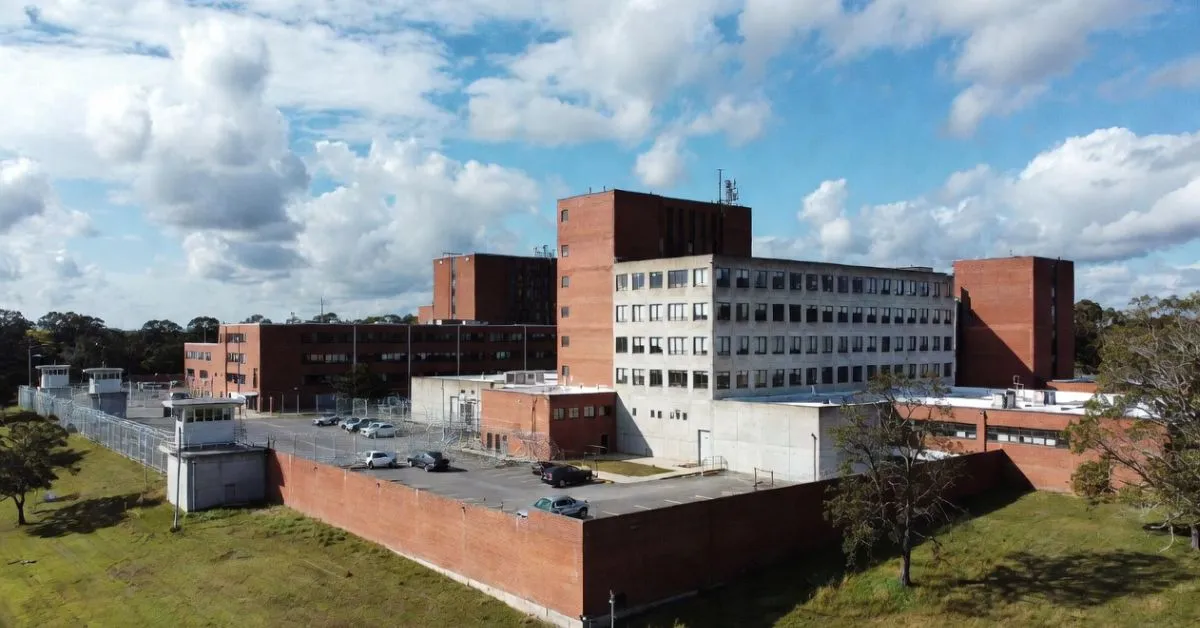
Souza-Baranowski—folks call it SBCC—is the state’s only maximum-security prison for men. It sits in Lancaster, Massachusetts, and holds around 600 people, most serving long sentences. It opened back in 1998 as a super-secure spot for the toughest cases. Thick walls, constant counts, limited freedoms. The goal is safety—for the public, sure, but inside it’s complicated. Officers face real threats, and inmates often talk about feeling crushed by the routine.
The name honors two men who died on the job: corrections officer James Souza and instructor Alfred Souza-Baranowski. They were killed in 1972 during an escape attempt. Naming the prison after them was a way to remember sacrifice. But over time, that place has seen a lot of pain on every side.
The Roots: A Tribute That Turned Tense
Let’s go back to how it all started. The prison came online in 1998—modern, built to be secure. But problems crept in early.
The 1972 Loss That Shaped the Name
Think about it: two staff members taken hostage during an escape. Things go wrong, and both die. That hit hard in the corrections world. When SBCC opened decades later, leaders chose their names to honor bravery. It’s touching in a way, but it also reminds everyone this work is risky.
From Fresh Start to “Tough Reputation” Souza-Baranowski
A quick rundown of the timeline:
- 1998: Opens its doors.
- Early 2000s: Starts getting high-profile inmates.
- 2017: A famous suicide draws attention.
- 2020: Serious claims of force lead to a big lawsuit.
- 2025: $6.75 million settlement approved, with reforms.
- 2026: Officer assault charges show lingering issues.
Clearing Up the “Supermax” Label Souza-Baranowski
A lot of people call it supermax. But honestly, it’s not like those extreme federal prisons where someone’s alone almost all day. SBCC is maximum security—very strict, limited movement—but guys can sometimes get out for yard time, classes, or programs if rules allow. It’s intense, not total lockdown.
Here’s a simple comparison to other spots in Massachusetts:
| Aspect | Souza-Baranowski (SBCC) | Other Max/Medium (like MCI-Shirley) | Medium Security (like MCI-Norfolk) |
|---|---|---|---|
| Security Level | Maximum | Mixed Medium/Max | Medium |
| Typical Role | High-risk inmates + new arrivals | General population | Rehab and programs focus |
| Out-of-Cell Time | Often limited (maybe under 8 hrs) | More flexible | Usually more |
| Main Challenges | Violence reports, limited activities | Overcrowding | Fewer major incidents |
| Recent Updates | Body cams, new force policies | Standard tweaks | Vocational emphasis |
It helps show why SBCC feels different—more pressure, more scrutiny.
The Tough Moments: Headlines That Stick
Violence has been part of the story here. Some attacks on staff, some claims of staff going too far. Both hurt everyone involved.
The 2003 Geoghan Case Souza-Baranowski
John Geoghan, a former priest convicted of abuse, was killed by another inmate. He was supposed to be protected. It made people question if anyone is truly safe inside.
Aaron Hernandez’s 2017 Suicide
The ex-Patriots player took his own life in his cell. It spotlighted mental health struggles and how isolation can weigh heavy. Were staff checking enough? Did the environment push him further?
The 2020 Backlash
After inmates attacked officers, some said staff retaliated hard—even against people not involved. Weeks of alleged beatings led to a major lawsuit.
The September 2024 Officer Attack
Three inmates went after staff. One officer got stabbed badly, lung punctured. Four officers hurt total. The attackers got charged. It reminded everyone: officers walk into danger every day.
Quick reality check: Risk doesn’t stay on one side. Staff and inmates both live with it.
What a Day Feels Like Inside Souza-Baranowski
Imagine your alarm is a count. Meals slide under a door. You might get an hour outside—if no lockdown. It’s structured, but for many, it’s long stretches of nothing.
A lot of time in cells. Some education or counseling if you’re lucky. But programs are limited. Idleness builds. Small arguments turn big.
Ever had one of those days where you’re stuck inside and just restless? Imagine that every day, with no easy escape.
The Quiet Struggles
Without enough to do, frustration grows. Some report rough treatment or short showers. It grinds people down over time.
Does All That Security Help Everyone?
Tight rules keep the outside safer, but inside? Tension can rise. Real safety means good boundaries plus support and activities.
Visiting Tips If You’re Going
Planning a visit? Here’s what helps:
- Hit up Mass.gov for schedules and rules.
- Book early—spots go quick.
- Bring ID, maybe vending quarters.
- Keep clothes modest and simple.
- Expect searches and waits.
- Hang in there; it’s emotional.
The Lawsuit, the Money, and the Shifts
Big change landed in 2025.
The 2020 lawsuit settled for $6.75 million. About 160 people shared it—some got $10k to $40k. More importantly, reforms came with it.
New force limits. Body cameras on officers. No stress positions or K-9 threats in certain cases. Diversity training for staff.
What the Settlement Really Brought Souza-Baranowski
Cameras add transparency. Rules cut down on excess. But some say bigger fixes—like more programs—are still needed.
Those 2026 Officer Charges
In January 2026, two officers—Stephen Cobb and Craig Lussier—got charged with assault. They allegedly beat a restrained inmate back in May 2023 after an attack on staff. The DOC called it troubling and is cooperating. It shows the system can investigate, but it also means issues aren’t fully gone.
Reform: Quick Fixes vs. Real Overhaul
Think of it like a leaky roof. A patch stops dripping for now. Full rebuild stops it for good. The settlement patched things—good start. But lasting change needs more mental health help, education, less empty time.
How the Lawsuit Became Policy
- Reports of force pile up.
- Lawyers file a class-action.
- Evidence builds—videos, accounts.
- Negotiations happen.
- Judge approves in 2025.
- Changes roll out: cameras, training, rules.
The Names You Might Know Souza-Baranowski
SBCC holds serious cases.
Current: Philip Chism and others with long terms.
Past: Aaron Hernandez, John Geoghan.
Current High-Profile Cases
These draw eyes because of the crimes. It shows why maximum security exists.
What Past Cases Taught
Hernandez’s death pointed to mental health gaps. Geoghan’s killing showed protection can fail.
Protective Custody: Help or Harder?
Some need separation for safety. It works sometimes, but can feel like extra isolation.
FAQs On Souza-Baranowski
What’s Souza-Baranowski known for?
Massachusetts’ maximum-security prison. High-risk inmates, strict rules. Past violence on both sides.
Better after 2025 settlement?
Yes in spots—cameras, force rules, training. But idleness and tension stick around.
Notable inmates now?
Philip Chism is one often mentioned. Many long sentences.
Daily life in 2026?
Mostly cell time, limited programs, meals inside. Some yard if allowed.
How to visit?
Mass.gov for details. Book ahead, follow rules strictly.
Why the 2026 officer charges?
Two officers charged for allegedly beating a restrained inmate. Highlights ongoing accountability.
SBCC is a hard spot. It locks away people who committed serious crimes—that’s important. But the folks inside, staff and inmates, deserve safety and fairness too. The 2025 reforms are progress, but more needs doing: better programs, mental health support, less empty days.
If this hits home for you, look up Prisoners’ Legal Services of Massachusetts. See their work on fair conditions. A donation or even a message of support can make a difference.
Thanks for reading Souza-Baranowski. Hope this helped clear things up. Take care.